
Table of Contents
Baby Wipes Moisture becomes a useful sourcing question when the buyer defines a specific outcome. A pack can feel wet on its upper sheets yet leave the last sheets unevenly loaded after storage. Compare several positions instead of squeezing one sample. This guide uses Baby Water Wipes as the product reference and focuses on the decision behind baby wipes moisture rather than assuming that a familiar pack name answers every technical question.
For a brand owner, distributor or retail buyer, the next step is concrete: Ask for lotion loading by sheet position and the storage orientation used. The checks below distinguish published details, suggested buyer observations and evidence that still needs to be requested. They are a practical development framework, not a report of testing performed on a supplied production lot.
Baby Wipes Moisture: the published Ecoshine reference
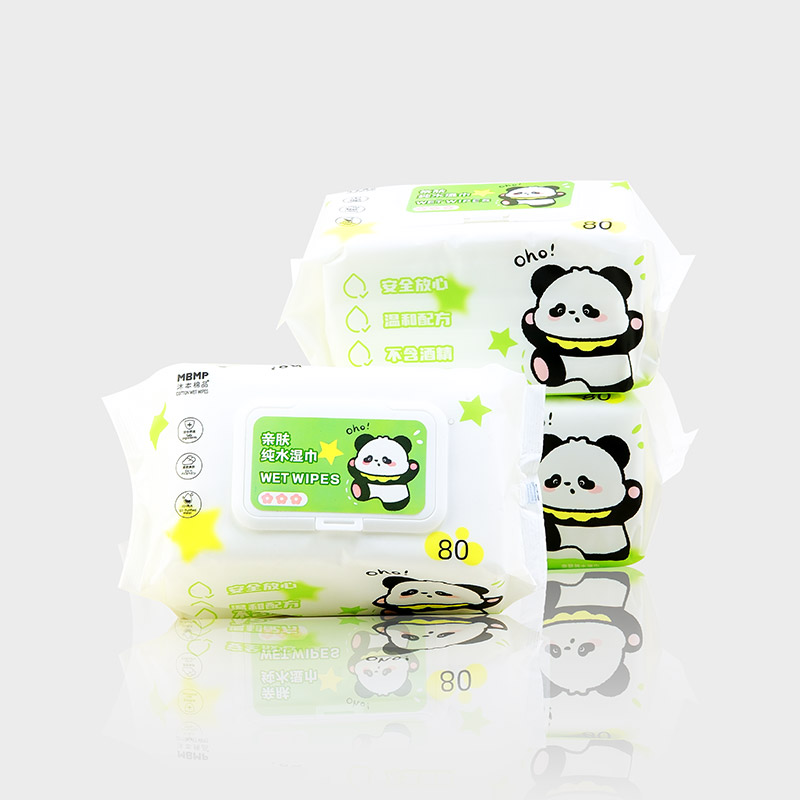
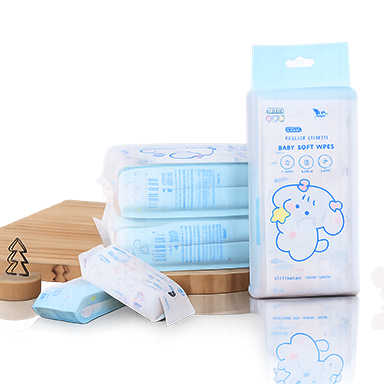
The Baby Water Wipes page lists an 80-sheet pack, 18 × 14 cm sheets and a pearl-embossed 55 GSM spunlace nonwoven. The nominal unfolded area is 252 cm² per sheet. That calculation helps compare formats but does not establish performance. The material description does not disclose a fiber percentage, full lotion composition or the evidence behind a water-focused position. Ask for those details when they affect the purchasing decision. The page also lists 40 bags per carton. Treat the published configuration as a reference for discussion and confirm the current custom-order specification before comparing quotations. Review the current Baby Water Wipes page alongside the Baby Wipes range.
For baby wipes moisture, use this reference to start a supplier discussion, then confirm the exact configuration you want to buy. Public table values and a custom-order specification have different roles. Any missing material identity, formula information, unit or test scope should remain an explicit question until the responsible supplier or reviewer resolves it.
Baby Wipes Moisture: Define wetness with a measurement basis
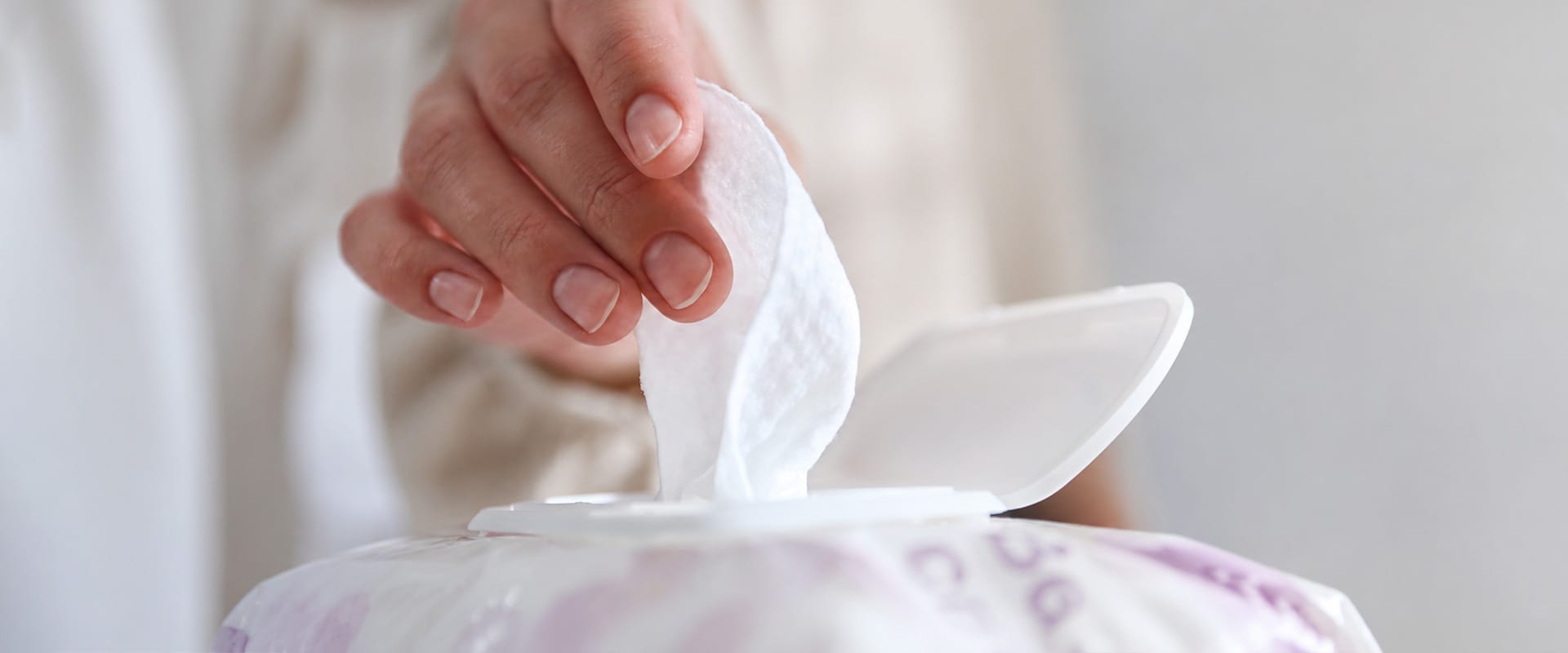
Wetness can refer to lotion mass per sheet, lotion relative to dry fabric mass, liquid distribution within a sheet or the feel during use. State which meaning applies before comparing numbers. A water percentage in the lotion is a composition value and does not tell the buyer how much lotion the sheet carries. For baby wipes moisture, request the unit, sampling method and tolerance behind any loading figure rather than comparing bare percentages.
Check several positions in the stack and record how the pack was stored. Top, middle and bottom sheets can provide a more useful picture than a single wipe squeezed by hand. Keep temperature, time since manufacture and whether the pouch has already been opened in the record. If two samples have different substrate mass or unfolded area, equal liquid mass per sheet may not produce equal handling. Compare the complete specification alongside the observation.
Choose a loading range that supports the intended task and the packaging design. Excess liquid, inadequate wetness and uneven distribution are different findings, and their acceptance criteria need not be identical. For baby wipes moisture, agree how a disputed sample will be checked before production. Retain sealed controls when investigating a drying complaint. A controlled comparison can then separate an initial loading issue from liquid migration during storage or moisture loss through a repeatedly opened closure.
Baby Wipes Moisture: Ask what the storage evidence covers
A shelf-life statement belongs to a defined finished product: formula, substrate, pouch, closure and production conditions. Ask which version was assessed, how samples were stored, what endpoints were reviewed and how the proposed date was justified. For baby wipes moisture, a statement about an ingredient or an earlier pack is relevant background but does not by itself establish the performance of the newly proposed SKU.
Separate unopened storage from use after the first opening. They expose the product to different conditions. A retailer may also need to understand which transport and warehouse conditions fall within the supporting work. Request the actual scope rather than assuming a hot vehicle, an outdoor display or a repeatedly opened salon pack is covered. If an accelerated assessment is supplied, ask how it relates to the proposed real storage claim and what ongoing observations remain necessary.
Review storage findings together with visible pack condition and the technical assessment. Odor, appearance, dispensing, liquid distribution, seal performance and relevant formula checks may need different endpoints. Agree which changes trigger investigation rather than inventing universal pass limits. For baby wipes moisture, a formula or packaging substitution should prompt an impact review of the existing evidence. Keep the assessed revision and approved shelf-life wording linked so artwork cannot silently outlive the evidence on which it was based.
Baby Wipes Moisture: Describe the storage environment explicitly
Start with the supplier storage statement and the real route the product will follow. A distribution warehouse, retail shelf, bathroom and carry bag present different handling conditions. Record orientation, temperature expectations, exposure to light and the planned time in stock. For baby wipes moisture, use those details to identify questions for the supplier rather than treating room temperature as a complete description of every stage.
Inspect how the pack will sit on shelves or in cartons. A closure pressed against an adjacent object, a pouch bent over a narrow shelf and a carton stacked beyond its intended arrangement can create problems that are separate from formula stability. Keep unopened stock protected according to the approved directions, and make lot identity visible during picking. Where the intended use involves frequent opening, consider how the user keeps the seal area clean and the closure accessible.
When a storage-related complaint appears, preserve the actual history as far as possible. The date received, date first opened, location, orientation and observed condition can narrow the investigation. Compare with a retained sealed pack from the same lot before attributing every change to the factory formula. For baby wipes moisture, the purchasing specification should distinguish a supported storage claim from a buyer stress trial. A deliberately demanding trial can guide design, but its conditions and conclusions need to remain visible.
Baby Wipes Moisture: Agree where representative samples come from
Sampling should reflect the question being investigated. Incoming-material identity, pack count and end-of-run dispensing need different sample locations and methods. For baby wipes moisture, agree the lot definition and selection approach with the responsible parties before inspecting the most convenient carton.
Record whether samples come from the start, middle or end of production and from different packing positions where relevant. Keep selection independent of which packs look best. If a formal acceptance plan is required, have its quantity, defect categories and decision limits set for the actual order. A general article should not invent statistical confidence or a universal sampling quantity.
Preserve sample identity and raw findings. For baby wipes moisture, a result without the product revision and lot position is harder to interpret later. If an issue appears, agree whether to hold the lot, expand the investigation or request corrective action. A targeted follow-up should answer the unresolved question rather than repeatedly testing unrelated properties. The final release decision needs both the observations and the agreed rules for acting on them.
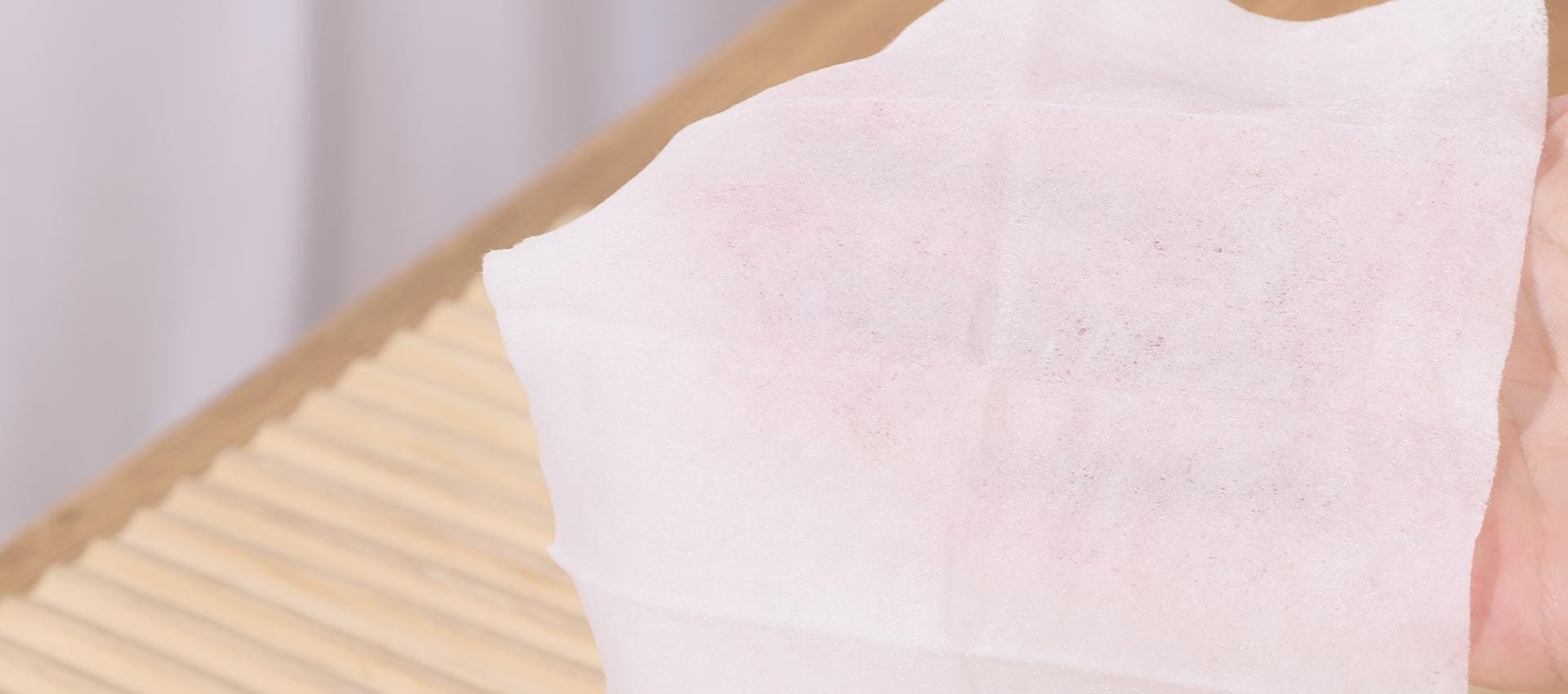
Baby Wipes Moisture: Keep formulation identity separate from headline ingredients
A highlighted extract, a high water percentage or a plant-origin statement describes only part of a formulation. Procurement needs the complete approved identity and the intended application. Request the ingredient declaration in the form needed for the destination market and identify the formula revision. For baby wipes moisture, this prevents a hero ingredient from becoming a substitute for understanding the cleansing system, preservation approach and supported directions.
Discuss proposed customization as a set of controlled decisions. Fragrance, cleansing agents, conditioning components and other additions can change the sensory result and the evidence required for the finished product. State the target outcome before asking for a change. If the goal is less residue, for example, evaluate that outcome directly rather than assuming a familiar plant name will deliver it. Keep the supplier proposal distinct from the formula finally approved for production.
Link the formulation record to artwork and samples. The declaration on a pack should correspond to the approved revision, and a substitution should have an owner who reviews its consequences. For baby wipes moisture, ask how the supplier communicates changes and which supporting assessments need updating. Avoid inventing concentrations, exclusion claims or certifications that are absent from the supplied record. A clear formula identity makes later sampling, stability review and complaint investigation substantially easier to interpret.
Baby Wipes Moisture: compare the decisions side by side
The table below turns baby wipes moisture into a comparison that a purchasing team can review. It does not assign invented test results or supplier prices. Use it to identify which observation or file is still needed before the selected product can be approved.
| Decision | Weak comparison | Useful record |
|---|---|---|
| Top-to-Bottom Moisture Checks | A product name or an isolated attractive sample | A pack can feel wet on its upper sheets yet leave the last sheets unevenly loaded after storage. Compare several positions instead of squeezing one sample. |
| Define wetness with a measurement basis | A broad adjective without a method | Ask for lotion loading by sheet position and the storage orientation used. |
| Ask what the storage evidence covers | A figure with an unclear unit or product version | Record the method, sample identity and conditions. |
| Describe the storage environment explicitly | A conclusion copied from another SKU | Connect the decision to the approved finished product. |
| Commercial approval | Price accepted before open questions are resolved | Keep specification, evidence, artwork and quotation under one revision. |
Baby Wipes Moisture: a focused sample-review example
Consider a buyer selecting Baby Water Wipes for a new range. The initial concern is specific: A pack can feel wet on its upper sheets yet leave the last sheets unevenly loaded after storage. Compare several positions instead of squeezing one sample. The team first records the intended use and product revision, then uses this review step: “Define wetness with a measurement basis.” That makes the evaluation about the actual decision rather than a general preference for one supplier.
The second reviewer takes the step “Ask what the storage evidence covers,” while the commercial owner reviews “Describe the storage environment explicitly.” Each person records the relevant conditions and open questions. If the results disagree, the team compares the method and sample identity before averaging opinions. A quotation is then checked against the configuration that was actually evaluated.
The practical outcome for baby wipes moisture is one of three decisions: accept the defined version, ask for a specific change, or hold the item pending evidence. The required next action remains: Ask for lotion loading by sheet position and the storage orientation used. This example describes a review workflow. It is not a customer case study and does not claim that Ecoshine has delivered a particular measured improvement.
Baby Wipes Moisture: prepare the inquiry and approval record
Ecoshine describes OEM/ODM support for formulation, fabric, size, packaging, sampling, production and export coordination on its service page. Use those capabilities to request a defined proposal. Include the intended market, application, reference product, required details, acceptable alternatives and the evidence questions raised here. Confirm current commercial terms directly rather than assuming a website example fixes MOQ, pricing or delivery.
Before releasing production, connect the selected sample, technical specification, evidence references, artwork and quotation. Keep unresolved questions visible and assign an owner to each. For additional background, consult FDA disposable wipes information. That reference is general guidance and is not evidence of certification, approval or test performance for an Ecoshine SKU.
To discuss baby wipes moisture, send Ecoshine a short brief naming Baby Water Wipes and the outcome you need. Include this request: “Ask for lotion loading by sheet position and the storage orientation used.” Ask which sample and documents the team can provide for that specification, then agree the next review step before approving bulk production.
Baby Wipes Moisture: frequently asked questions
What should a buyer confirm first about baby wipes moisture?
For baby wipes moisture, a pack can feel wet on its upper sheets yet leave the last sheets unevenly loaded after storage. Compare several positions instead of squeezing one sample. Start with the intended use and the exact product version before comparing a pack count or price.
Which Ecoshine product is the reference for baby wipes moisture?
For baby wipes moisture, this guide uses Baby Water Wipes. Its public specification is a starting point; confirm the formula, material identity and packing for the actual order.
What evidence should be requested for baby wipes moisture?
For baby wipes moisture, ask for lotion loading by sheet position and the storage orientation used. Check that any supplied file identifies the relevant finished product and its scope.
How can samples be compared for baby wipes moisture?
Use the step “Define wetness with a measurement basis” and keep sample identity, method and conditions recorded. Separate practical observations from technical conclusions requiring other evidence.
What should be approved before ordering for baby wipes moisture?
Agree the intended use, final sample, specification, relevant evidence, artwork and quotation. Complete the check “Describe the storage environment explicitly” before production release.